
Lake County Criminal Court Cases
Lake County is part of Colorado's Fifth Judicial District. District Court hears felony prosecutions and broader trial matters. County Court handles misdemeanors and traffic cases, and it conducts early felony proceedings such as advisement and bond hearings. The Lake County court page is the official starting point for clerk services and current court information.
Leadville Municipal Court is separate. It handles city-code violations and citations, not Colorado felony prosecutions. Its files may not appear in a Fifth Judicial District search. Contact the municipal clerk at 719-656-0637 about dates, motions, filings, payments, copies, or Google Meet observation. This split matters because one event can create an LPD report, a county booking, and either a state or city court file.
Lake County Court Custodians
The Judicial Branch clerk controls the official state-court file. Ask for the case number, register of actions, complaint or information, bond order, plea papers, dismissal order, judgment, sentence, restitution order, or warrant recall by name. The Fifth Judicial District Attorney may hold prosecution copies, while police and sheriff offices hold their own reports. A request to one custodian does not search the others.
The courthouse is at 505 Harrison Avenue in Leadville. Give the complete case number when possible. Otherwise supply the full name, approximate filing year, and court level. For a remote request, ask whether the file is public, how many pages it contains, whether certification is needed, which payment methods apply, and whether old material is stored off-site.
Searching Lake County Case Records
The Colorado Judicial public docket search is useful for hearing dates and basic entries, but a docket is not the complete court file. Search with a case number first. A narrow name and year range is the next best choice. If the interface does not expose a useful name result, call the clerk and describe the record precisely.
- Open Colorado Dockets and choose Lake County or the Fifth Judicial District where offered.
- Use the complete case number, or try the party name and a narrow date range.
- Confirm the court level and case type before treating a match as the right file.
- Read each docket entry for filing, hearing, disposition, and sentence status.
- Ask the clerk for the actual document or a certified copy when the docket is not enough.
| Field Label | Type | Required | Notes |
|---|---|---|---|
| County or Court | Dropdown | When shown | Choose Lake or Fifth Judicial District. |
| Date | Date | Often | The public docket is commonly date-centered. |
| Party Name | Text | No | Availability varies by interface. |
| Case Number | Text | No | The best unique search key. |
Colorado Docket Limits
The online view may show a schedule without document images. Sealed matters, protected data, and some older files will not appear. Municipal citations also may sit outside the state trial-court index. Spelling changes and aliases can require separate tries, but a broad search should not be used to fish for private facts.
The official docket interface is shown below. Its date and court controls explain why a clerk-assisted search can work when a name query does not.
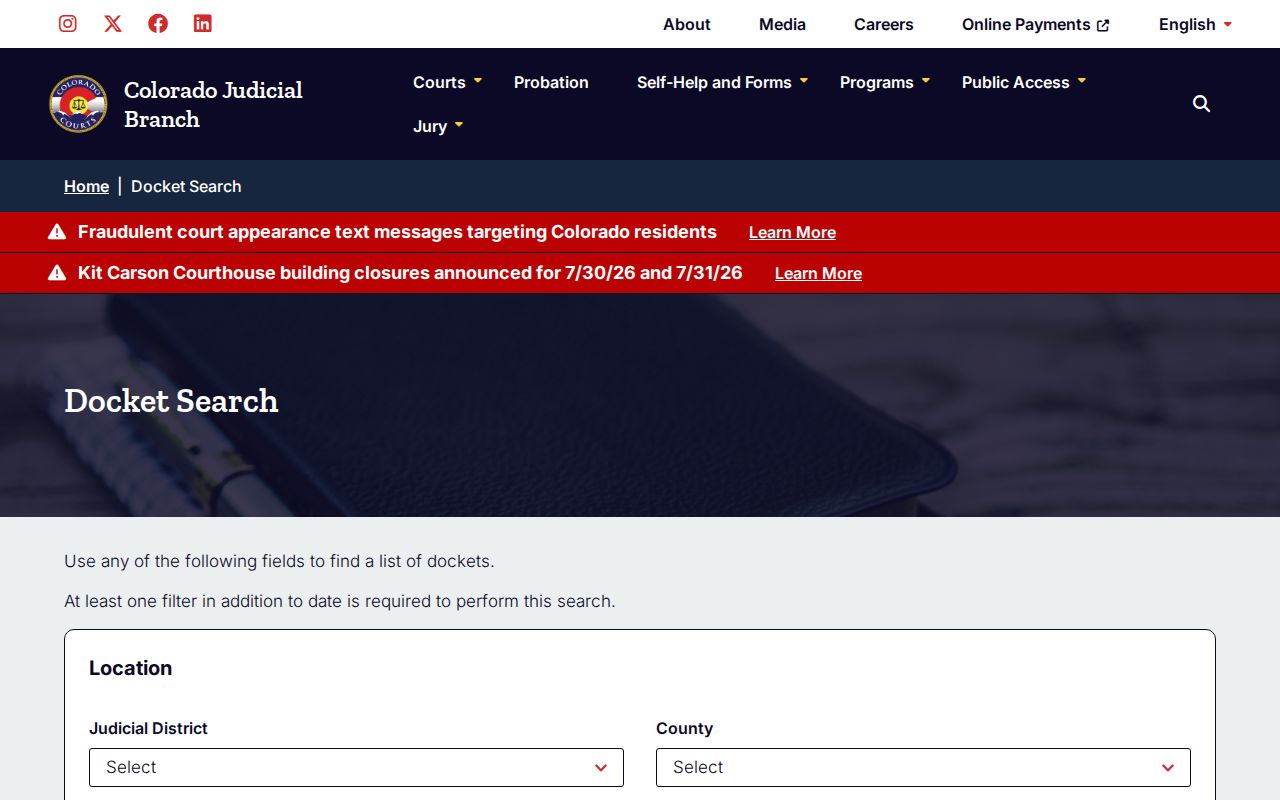
The docket supplies leads. The filed order or judgment supplies proof of the outcome.
Inside a Lake County Case File
A criminal case file tracks the prosecution after charges reach court. It can show which counts were filed, amended, dismissed, or resolved, plus the hearings and orders that moved the case. It does not replace the arresting agency's narrative or the jail's booking record.
| Case Number and Court | Identifies the file, court level, division, type, filing date, and status. |
|---|---|
| Charging Document | Lists filed statutory counts, which can differ from booked charges. |
| Docket Entries | Chronological filings, motions, hearings, and court orders. |
| Hearing Dates | Date, time, event type, courtroom, and judicial officer when public. |
| Disposition and Judgment | Plea, verdict, dismissal, acquittal, deferred judgment, or conviction. |
| Sentence and Conditions | Confinement, probation, fines, restitution, and other public terms. |
Lake County Disposition Gaps
Colorado Bureau of Investigation criminal history can contain an arrest cycle without a matched court outcome. Compare it with the certified Lake County disposition. If the court file shows a final result that CBI lacks, follow CBI's disposition-update process rather than asking the court to edit the state repository directly.
The CBI record FAQ explains how CHRI entries work.
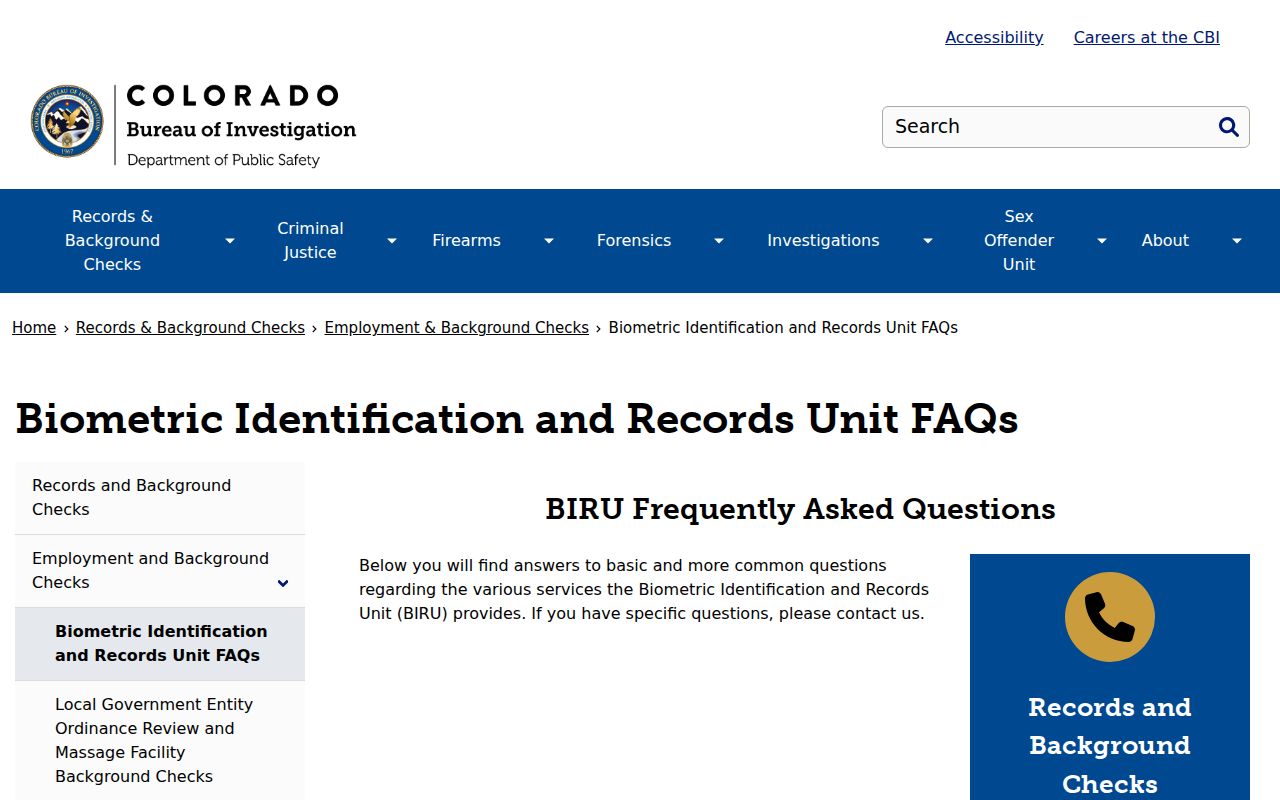
This state layer is useful for cross-checking, but the clerk's certified order remains the strongest evidence of the Lake County case outcome.
How a Criminal Case Moves
The arrest and booking begin records outside the court. The prosecutor then decides what to file. County Court may handle advisement and an early felony phase before District Court takes the felony case. Motions, pleas, trials, and amended counts create new docket entries. The final judgment and sentence answer questions that a booking sheet cannot.
Case flow: Charges Filed › Arraignment › Pretrial › Plea or Trial › Disposition › Sentencing
Federal Cases Beyond Lake County
Federal criminal cases are not filed in the Lake County clerk's system. Use PACER for federal dockets and documents. A federal sentence may later lead to a Bureau of Prisons record, which can be checked through the BOP Inmate Locator.
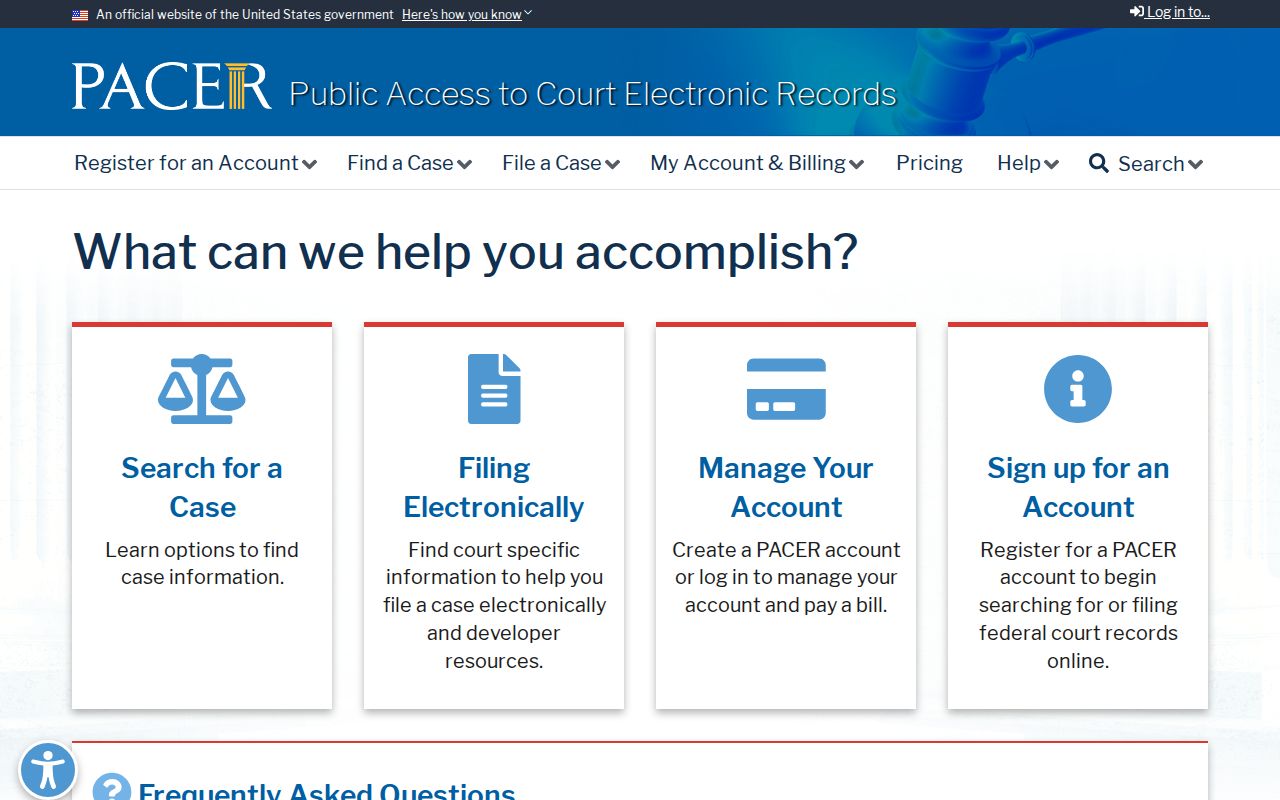
PACER is a separate paid federal system, so a missing Lake County result does not rule out a federal case.
The federal locator displays different custody fields.
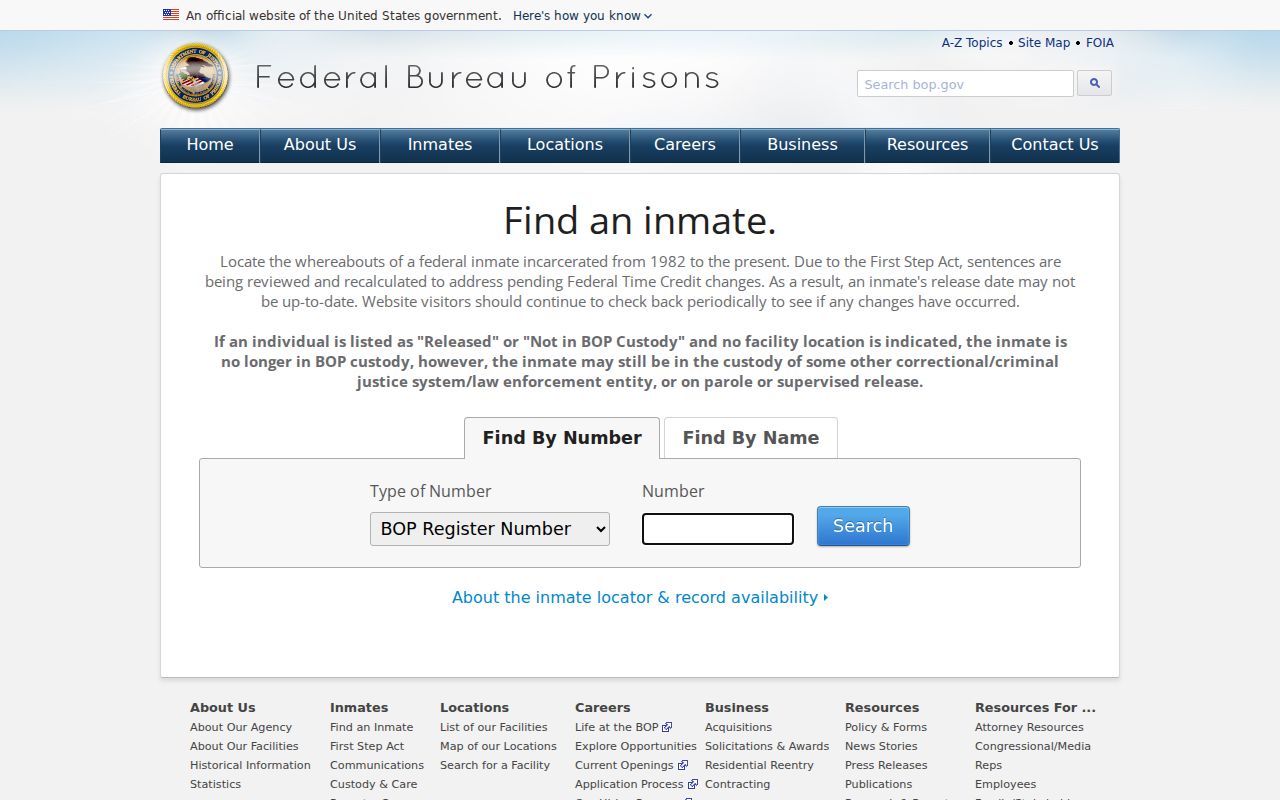
Use it only when federal custody is relevant, not for a person held by Lake County or another county jail.
Lake County Parole Records
Parole records belong to the state post-sentence layer. The Colorado State Board of Parole is distinct from the Lake County trial court and clerk.
A parole decision concerns release from a state sentence. It does not create a new Lake County criminal charge or replace the judgment that imposed the sentence.
Case Record Access and Restrictions
Public access has limits. Sealed records, juvenile material, Social Security numbers, financial account data, and protected victim or child information may be absent or redacted. Colorado's Criminal Justice Records Act governs many agency records, while Judicial Branch rules govern court-file access. Online redaction does not mean the underlying document never existed.
If a case does not appear, ask whether the search used the right court, spelling, year, and case type. Then ask whether the file is archived, sealed, or maintained by Leadville Municipal Court. Clerks provide records and procedural information, not legal advice. A certified copy is wise when the precise disposition matters.
The FBI electronic subject-request portal offers a separate personal identity history process.
An FBI identity summary is not a substitute for the pleadings and orders in a Lake County court file.
Reading Lake County Court Outcomes
Before ordering a copy, decide which fact needs proof. The register of actions gives a compact chronology. The complaint or information shows the charge as filed. A bond order states release terms at that point in the case. Plea papers and the judgment establish the adjudicated result, while the sentence or mittimus records the final custody and supervision terms. Asking for named documents is clearer than requesting an undefined background file.
Timing explains apparent conflicts. Police record the suspected offense, jail staff record booked charges, and the district attorney decides what to file. Counts can be declined, amended, or dismissed. The court records the authoritative disposition. CBI then depends on reporting to match that result with the fingerprint arrest cycle. Each system may accurately describe a different stage.
Older Lake County files may require staff research because local records span electronic, paper, and archived formats. Give a narrow year range and ask whether material is off-site. Certification is separate from a plain copy. Keep the request, estimate, receipt, and response together. If CBI lacks the outcome, use the certified disposition with its update procedure.
A sealed record still exists for authorized purposes, but public results may disappear. Colorado has distinct sealing routes for eligible arrests, dismissals, acquittals, and convictions. The clerk supplies forms and procedure but cannot decide eligibility. If a known file is missing, ask whether sealing, archive status, the wrong court, or a spelling variation explains it.